Jól — Nourishing the Season
December 8–20
The History
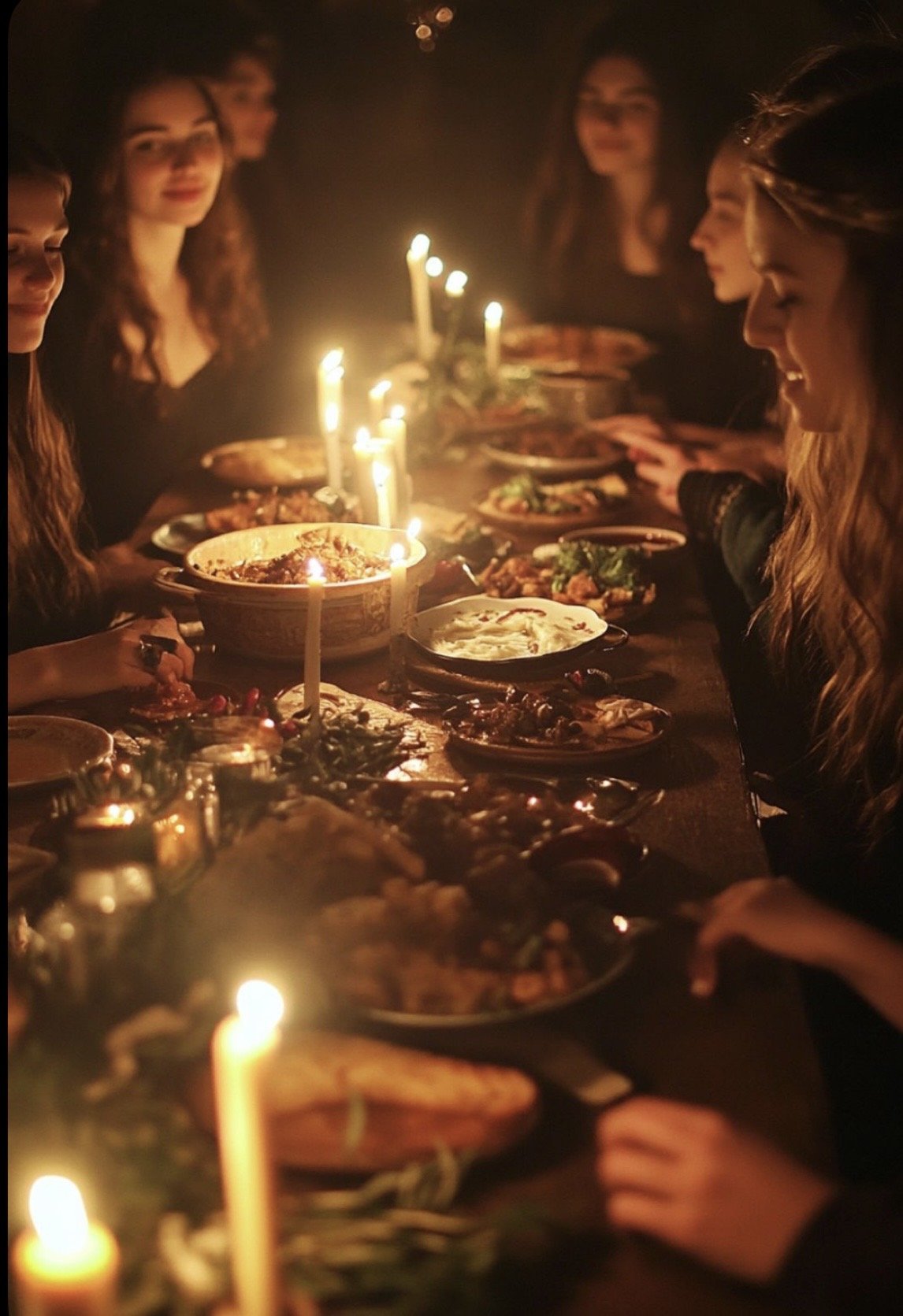
Jól, or Yule, belonged to the deep winter season in the old Germanic and Norse world. The exact timing changed across places and periods, but surviving accounts give us glimpses of winter gatherings filled with food, ale, fire and toasts. People came together during one of the darkest stretches of the year to feast, drink and mark the season.
Winter changed the rhythm of life. The land was no longer producing in the same way, the days were short, and much of life moved closer to the hearth. Food that had been grown, gathered and preserved throughout the year sustained people through the colder months, while the darkness created space for different kinds of work, gathering and making.
There is something I find beautiful about remembering that winter wasn't simply something people waited to get through. It had its own rhythms.
Perhaps we've forgotten how to participate in them.

The Goddess at the Hearth
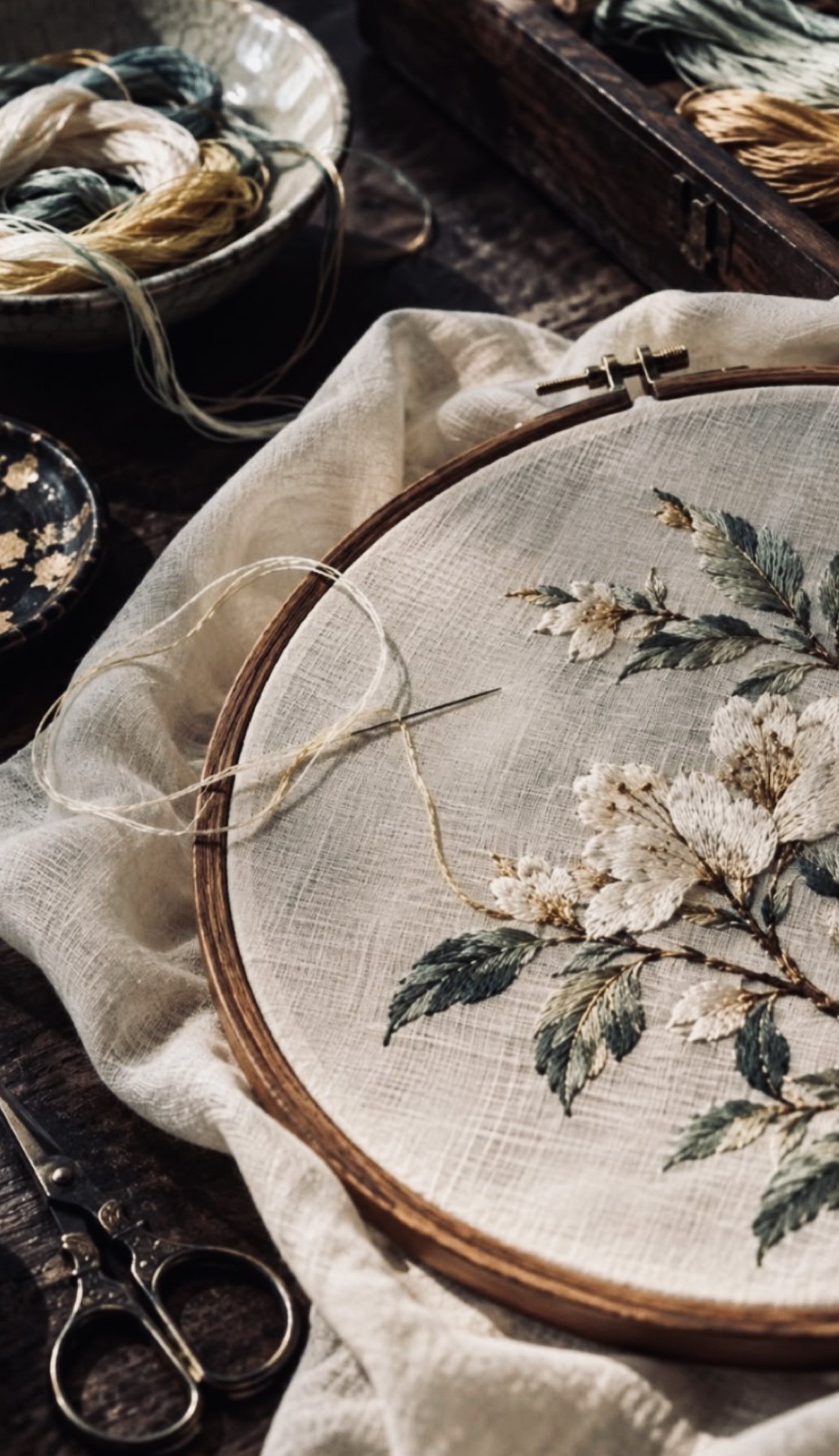
As I've been exploring the old Germanic traditions of winter, I came across Frau Perchta, and something about her immediately caught my attention. Perchta is associated with winter, women's work, the household and the spinning of fate. During the long winter months, women traditionally spent time spinning thread by firelight, and I can't stop thinking about the symbolism held within that simple act.
Thread becomes cloth. Individual strands are woven together into something larger. Hands repeat the same movements over and over as something slowly takes form. And perhaps that is why the image of Perchta spinning fate feels so powerful to me. What if the things women have made with their hands have always held something more than utility? What if sewing, spinning, stitching and mending have also been places of contemplation, connection and even ritual? What if there is something sacred in the reminder that we are continually weaving our own lives—participants in our destiny alongside the Universe and all the mystery we cannot control?
Perchta is also associated with the Twelve Nights of the winter season, when she was said to visit households and observe how we are tending to ourselves, our families, and our spiritual tendencies. Her stories contain expectations around work, care and responsibility, and this is where I think she offers us something incredibly relevant to the way we live now.
Our spiritual practices do not only exist in the extraordinary. They exist in the ordinary and the mundane.
There can be spirituality in making the tea and actually sitting down to drink it. In stirring the soup. In sewing by the fire. In reading a story. In tending our homes and feeding our families. In moving our bodies, creating something simply because we enjoy it, or choosing to spend an afternoon doing something that fills us back up.
And perhaps this also asks us to reconsider what we mean when we say rest.
Rest isn't always lying around doing nothing. Sometimes it is, and sometimes that is exactly what we need. But rest can also be whatever refills our cup. It can be the things that return us to ourselves and give something back to our bodies, our creativity, our relationships and our spirit.
To me, Perchta reminds us that doing something with intention can itself be spiritual. We don't have to turn every ordinary act into a ceremony for it to matter. Sometimes the sacredness is simply in being present enough to experience what we are doing.
Maybe that is part of learning how to winter again—not abandoning life, but tending it differently.
The Offering
Learning How to Winter
From December 8–20, rather than giving you one ritual to complete, I want to invite you into an experiment.
For these twelve days, begin paying attention to what actually nourishes you.
Not what you think should nourish you. Not what looks like rest on Instagram. Not what would make the prettiest winter morning routine.
What actually feeds your fire?
Each day, ask yourself:
What would nourish me today?
Maybe the answer is more sleep. Maybe it's a warm meal. Maybe it's movement because your body is tired of sitting still. Maybe it's reading for three hours, working on a puzzle, embroidering by the fire, baking something, walking through the snow, playing with your children, calling someone you love or getting the hell off your phone.
You don't have to do something special every day. The practice is simply becoming aware of what leaves you feeling fed rather than depleted.
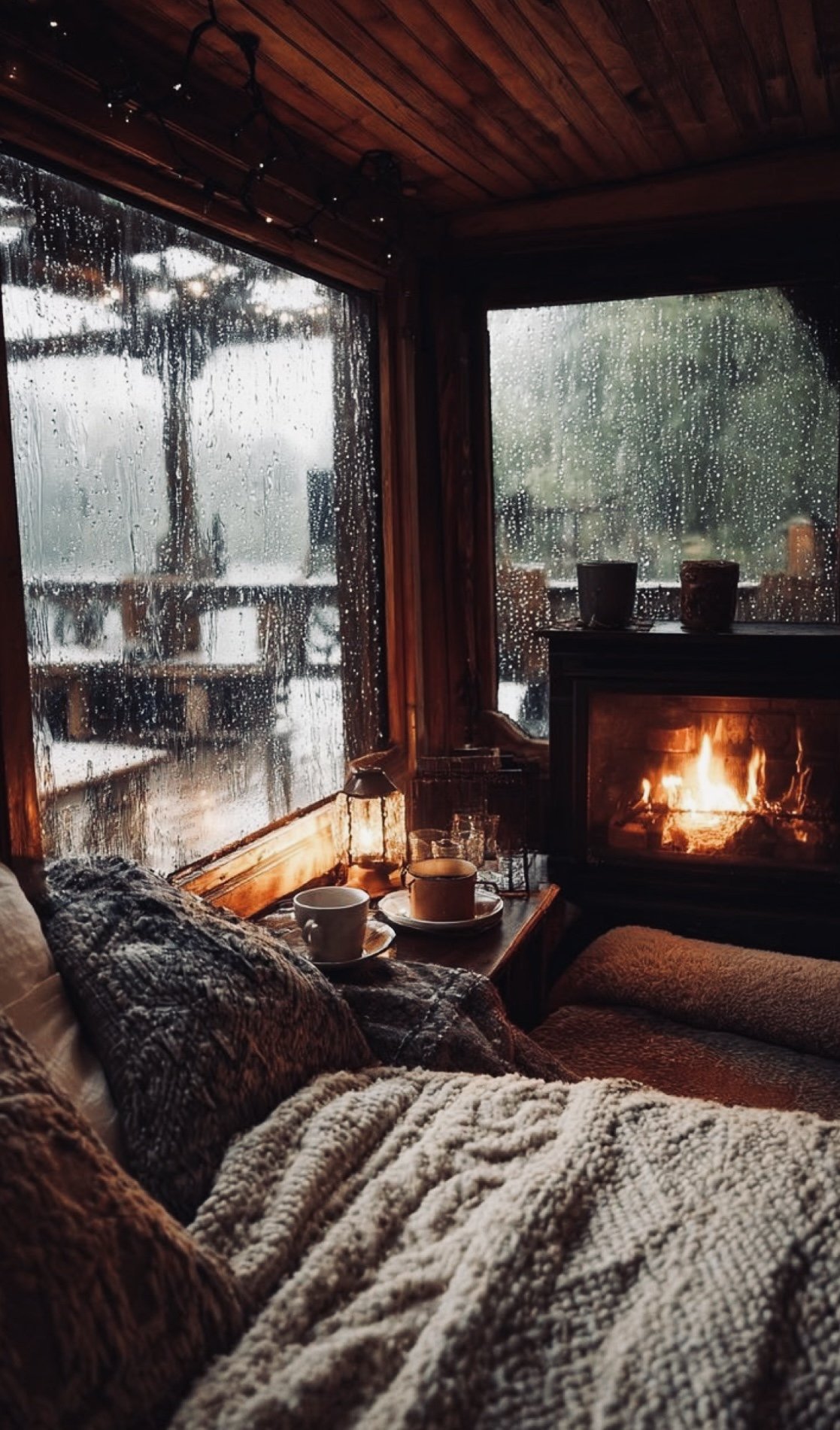
And when you have the space, create an evening devoted entirely to wintering. Put your phone away. Light the fire or a few candles. Choose something you genuinely want to do and allow yourself to spend time doing it without needing to make it useful.
The Heart
I think sometimes we imagine there are only two options in winter: continue operating exactly as we always do or stop doing everything and rest. But perhaps winter offers us something in between.
Maybe rest looks different in this season.
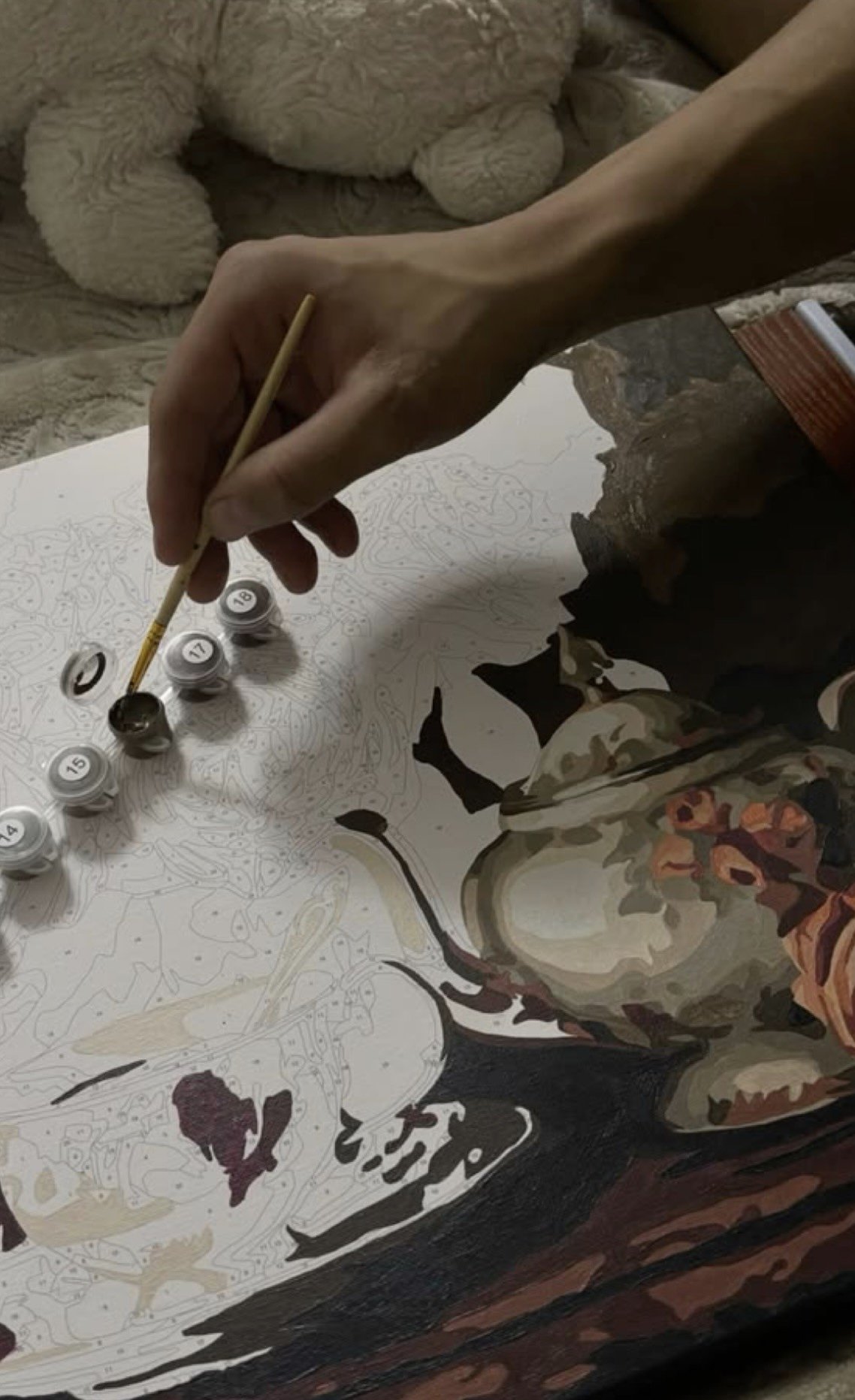
It might look like reading on the couch for half the day, building a fire and playing games with your family, putting your phone somewhere you can't reach it, trying a new recipe, buying a craft simply because it looks interesting, doing a paint-by-number, sewing, learning embroidery or making something slowly with your hands.
These things can feel unproductive because they don't necessarily create something measurable. But perhaps they are productive in a different way. They feed something in us that work cannot.
Winter asks more of our resources. Our bodies need nourishment, warmth and care, but I think our souls need nourishment too. Instead of only asking What do I need to stop doing?, perhaps we can also begin asking:
What belongs to this season?

To Carry With You
What belongs to this season?
And perhaps, underneath that:
What feeds me here?
Let those questions follow you through these twelve days.
You may discover that nourishment isn't always stillness. Sometimes it is creativity. Sometimes it is play. Sometimes it is warmth, food, movement, solitude or gathering.
Winter doesn't ask us to stop living.
Perhaps it asks us to discover another way of being alive
From the Winter Kitchen
These aren't assignments. They're simply a few cozy things from my own kitchen that you might want to make while we winter together. Make one. Make all three. Make absolutely none of them and order takeout while you read your book.
The point is not to perform winter beautifully.
The point is to enjoy it.
Golden Hearth Pear Tea
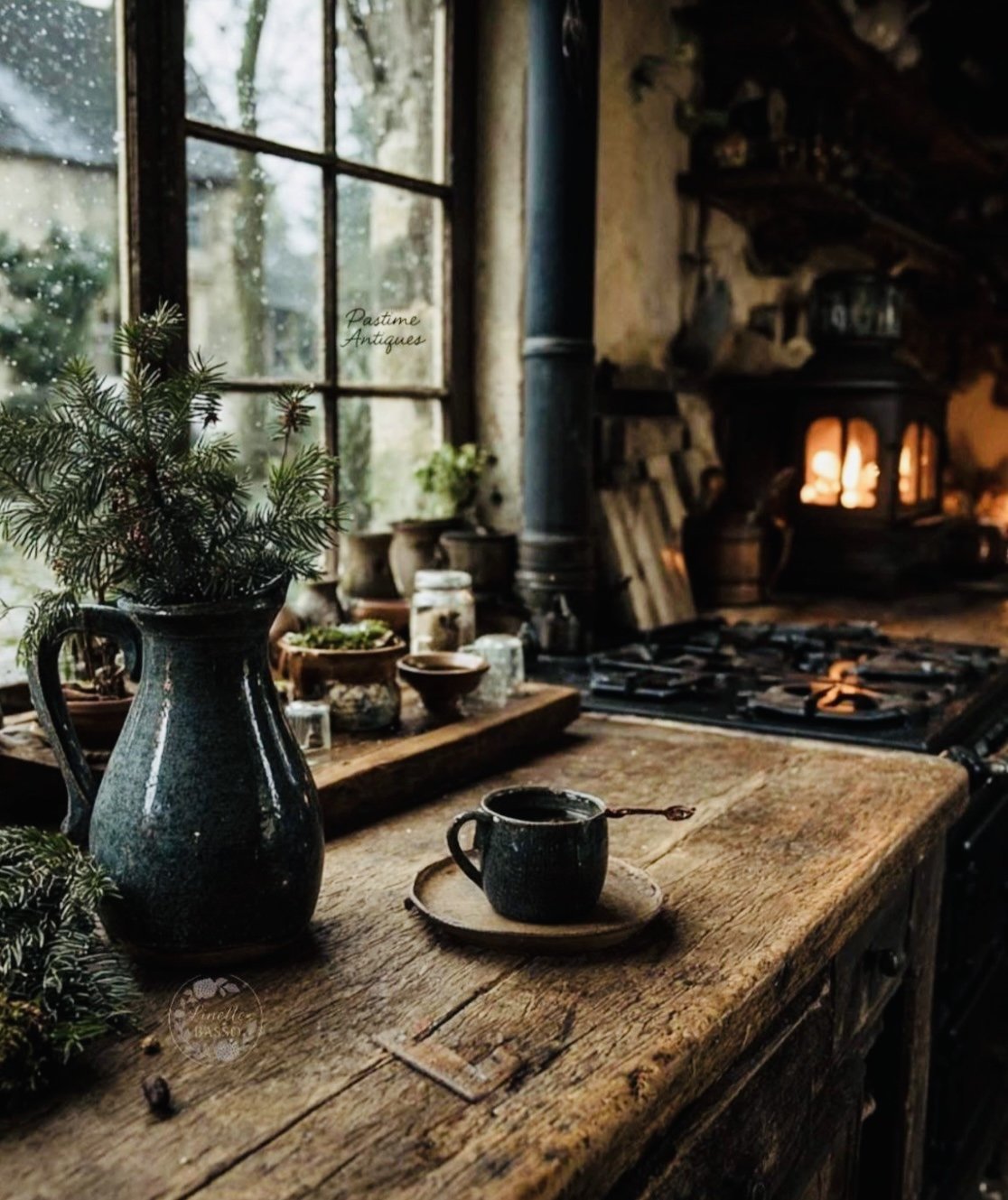
I’ve really been enjoying this myself lately. It’s super refreshing and nourishing. It’s been perfect for a day of reading under a cozy blanket and just ‘being’.
Combine pear juice and coconut water with fresh ginger and cinnamon and warm gently on the stove for about 8–10 minutes. Add fresh mint for the final few minutes, strain, and finish with a squeeze of lime and a little honey if you'd like.
Pour it into your favorite mug, find somewhere comfortable and actually sit down long enough to taste it.
My Famous Apple Pie
This is one of those recipes that feels like winter in my house.
Preheat the oven to 425°F.
Peel and slice about 6 green apples. If they're small, use a few more. Arrange the apples inside a pie crust and add your lattice crust over the top.
Meanwhile, melt 1 stick of butter over medium heat and stir in 3 tablespoons flour. Reduce the heat and add 1/4 cup water, 1/2 cup sugar and 1/2 cup brown sugar, allowing everything to simmer together until the mixture becomes thick.
Slowly pour the butter and sugar mixture over the apples and lattice, letting some of it work its way down into the pie. Use a small pastry brush to brush some of the mixture over the exposed crust and lattice.
Bake at 425°F for 15 minutes, then reduce the oven temperature to 350°F and continue baking for approximately 35–45 minutes, until the apples are tender and the crust is beautifully golden.
Then eat the pie.
Preferably warm.
Preferably somewhere cozy.
And preferably without asking yourself whether eating pie is productive.

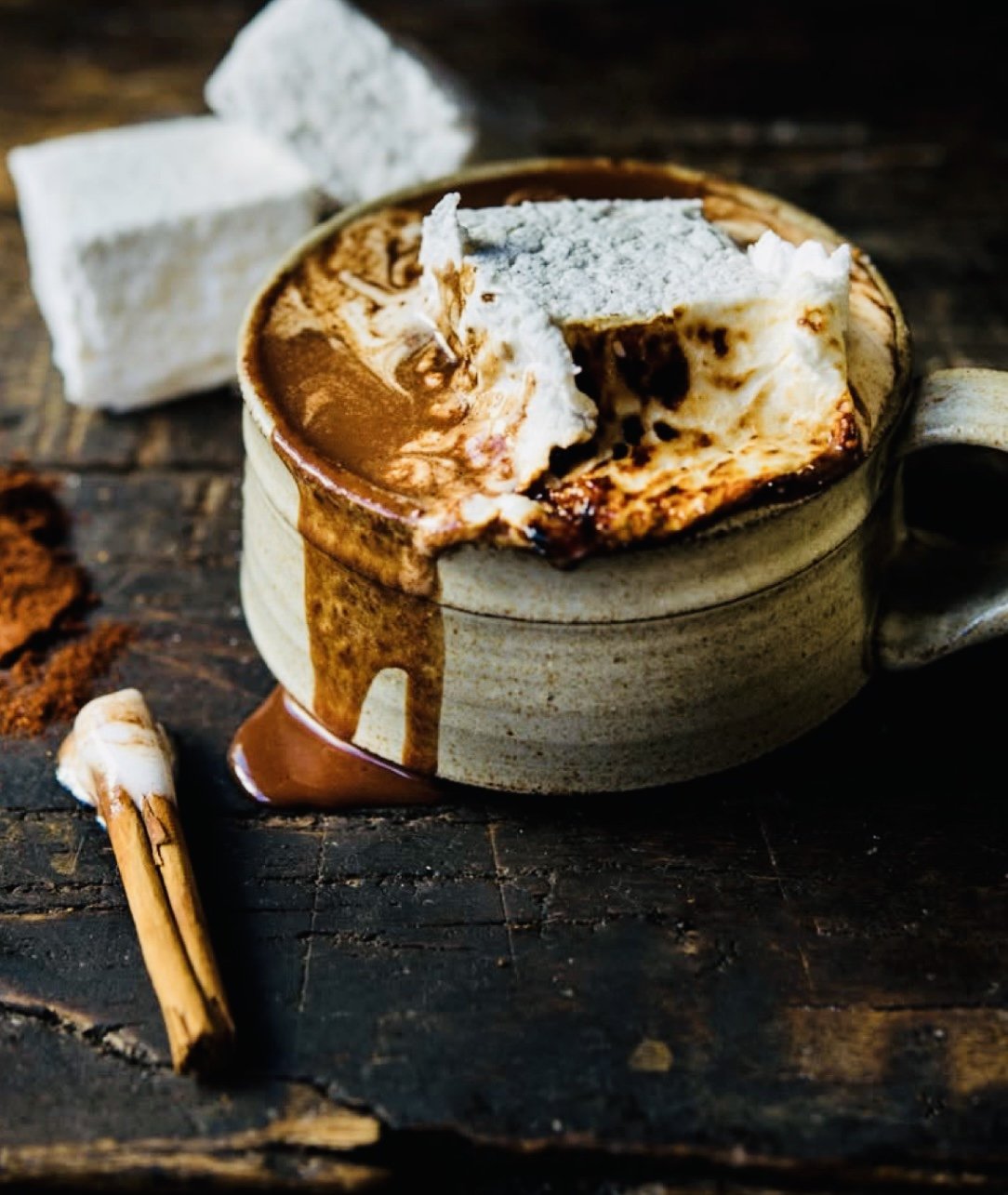
Cozy Cacao Hot Chocolate + Homemade Marshmallows
Make your favorite organic hot chocolate and add a scoop of cacao for an extra rich, earthy chocolate flavor. I'll link the cacao I personally use here.
And if you're feeling ambitious in the cozy-kitchen kind of way, make homemade marshmallows to go with it.
For the marshmallows:
Add 1/2 cup cool water to the bowl of a stand mixer and sprinkle 3–4 tablespoons gelatin over the water. Allow the gelatin to bloom while you prepare the syrup.
In a saucepan, combine 1 cup of your sugar of choice—sugar, maple syrup or honey—with 1 cup water. Bring the mixture to a boil and cook until the syrup reaches approximately 240°F on a candy thermometer.
With your mixer running on low, very carefully pour the hot syrup in a slow stream into the bloomed gelatin. Once incorporated, increase the mixer speed and whip until the mixture becomes thick, fluffy and holds soft peaks.
Work quickly once it's ready. Pour the marshmallow mixture into a parchment-lined cake pan dusted with a mixture of powdered sugar and tapioca starch. Dust the top as well and allow the marshmallows to set for several hours or overnight before cutting.
Then make yourself an absurdly cozy cup of hot chocolate, throw a homemade marshmallow on top and enjoy the fact that you MADE A MARSHMALLOW.