

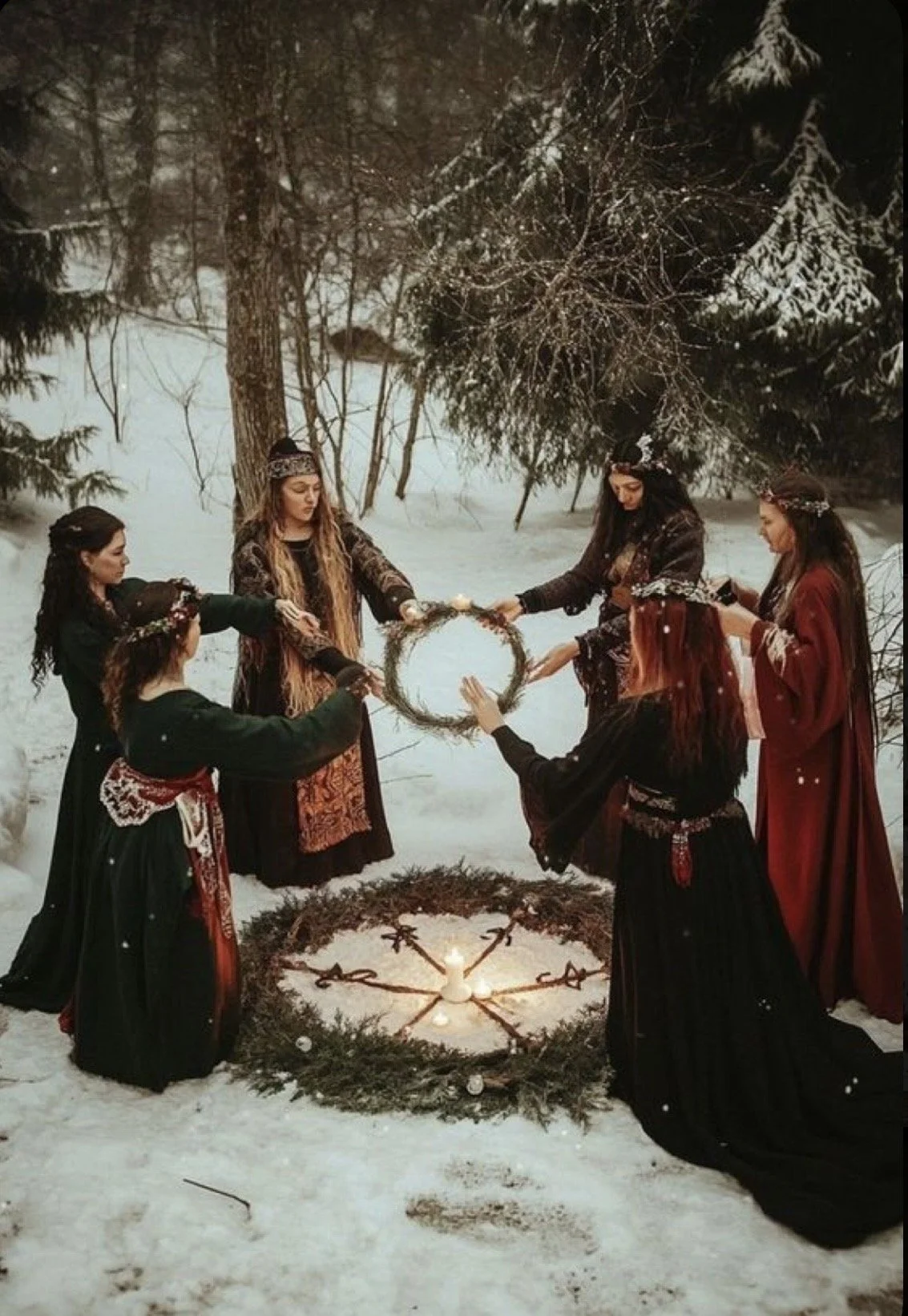
Mōdraniht & Minni
The Ancestral Hearth
December 24
As we move through the darkest days of winter, we arrive at a time of remembrance, gathering and honoring the lives of those who came before us.
Within the ancestral traditions of the Anglo-Saxons, we find mention of Mōdraniht, meaning Mother's Night. The eighth-century monk Bede recorded this observance as taking place on the night corresponding to Christmas Eve. Although very little is known about the original ceremonies, it has been interpreted as a night honoring ancestral mothers or feminine spiritual beings.
Within Norse tradition, we also find the practice of Minni, a commemorative toast offered in remembrance of others, including those who had passed. Through the raising of a cup, stories could be shared, lives remembered and connections to those who came before acknowledged.
Although these traditions come from different cultural practices, we will be weaving their essence together to create our own evening of ancestral remembrance.
I invite you to become curious about the women whose lives preceded your own. Beyond their roles as mothers, grandmothers, wives and caretakers, who were these women? What made them laugh? What brought them comfort? What did they dream about, and what did they perhaps never have the opportunity to experience?
We may not know all their names or stories, but through remembering those we do know and honoring those we don't, we create space for a deeper relationship with our lineage.
On this evening, we gather at the ancestral hearth not only to remember the women who came before us, but to honor the woman who is here now and the women who will come after us.
Honoring the Woman Within the Lineage
When we think of returning to the old ways, we may imagine ourselves singing ancient songs, preparing traditional meals or recreating rituals passed down through generations. While there is something beautiful about rediscovering these traditions, I don't believe we need to recreate the lives of our ancestors to experience the sacredness they held.
Perhaps it is singing Whitney Houston at the top of your lungs while making cookies, listening to Etta James because your grandmother loved her or preparing a recipe written in your great-grandmother's handwriting. We often overlook the spiritual significance of these moments because they seem so ordinary, yet spirituality does not need to exist separately from the life we are already living.
Through Frau Holle, I also invite you to become curious about the women who came before us. Beyond the roles they fulfilled, who were these women? What brought them joy? What did they dream about, and what parts of themselves did they have to put aside because of the circumstances or expectations of their time?
I wonder how many of these women had the opportunity to honor their own rhythms. Perhaps they continued tending to everyone around them while grieving, exhausted or longing for something more. We can look upon their lives with compassion and honor their strength without believing we need to endure the same hardships.
Imagine how proud the women who loved you might be to witness you giving yourself permission to rest, explore your curiosities, express your needs and experience joy without guilt.
What if honoring ourselves is also a way of honoring them?
Our rhythms are deeply individual, and what nourished us yesterday may not be what nourishes us today. Through Holle, we are invited to become curious about these changes. What am I feeling? What do I need? How can I nourish myself today?
We do not need to become some idealized version of a woman to reclaim the sacred feminine. Perhaps the reclamation begins when we allow ourselves to be the woman we actually are, especially on the days when she looks nothing like the woman we think we should be.
We are not only the descendants of the women who came before us; we are also the ancestors of those who will come after us. Perhaps that one small thing you do to honor yourself today is far more significant than you realize.
Remembering Her, Honoring You
A ritual of remembrance, celebration and nourishment.
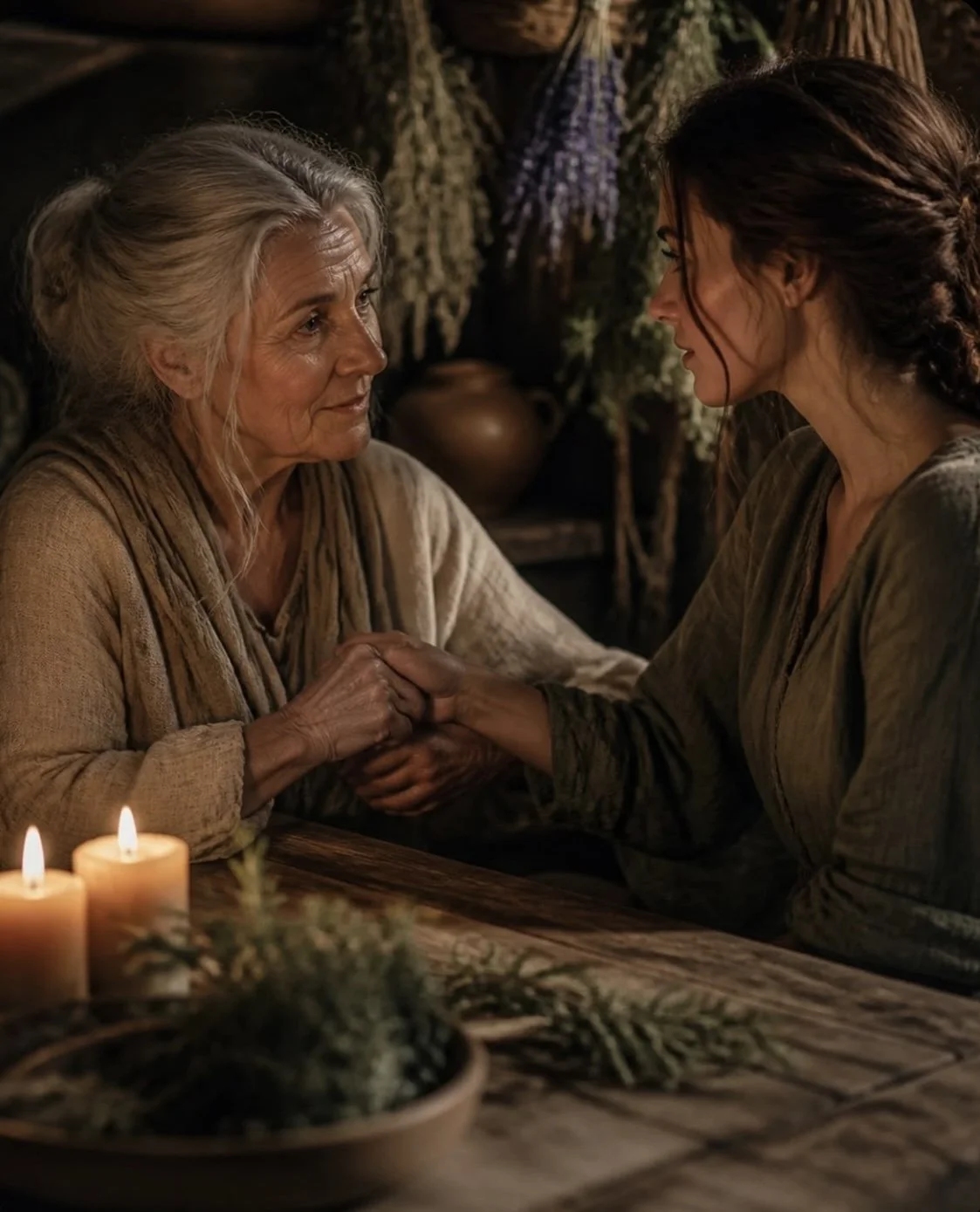
Remembrance does not always need to be solemn. Today, I invite you to celebrate the women who have touched your life through the things that bring their memories to life, while also making space to nourish the woman you are today.
Creating Your Ancestral Hearth
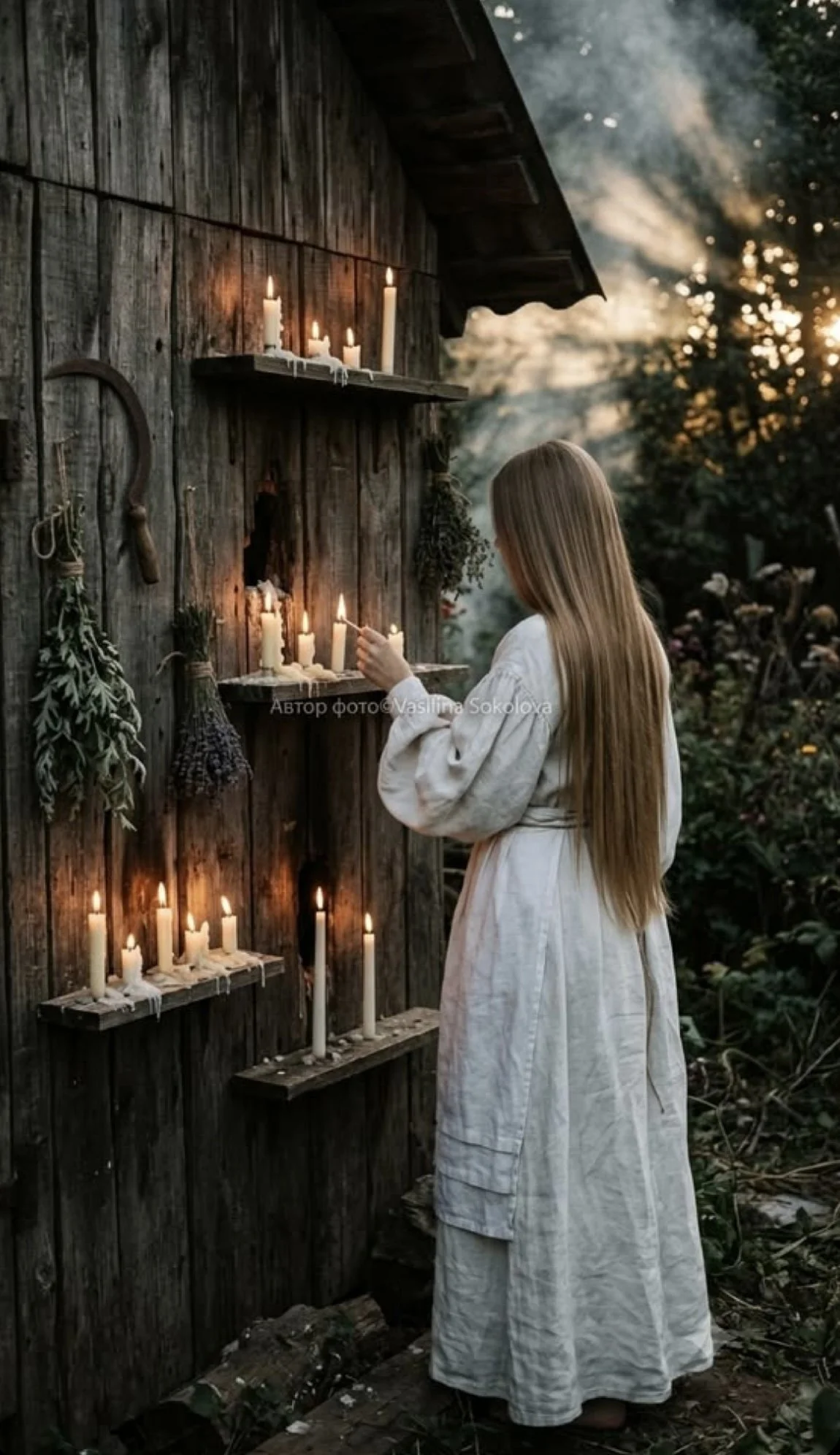
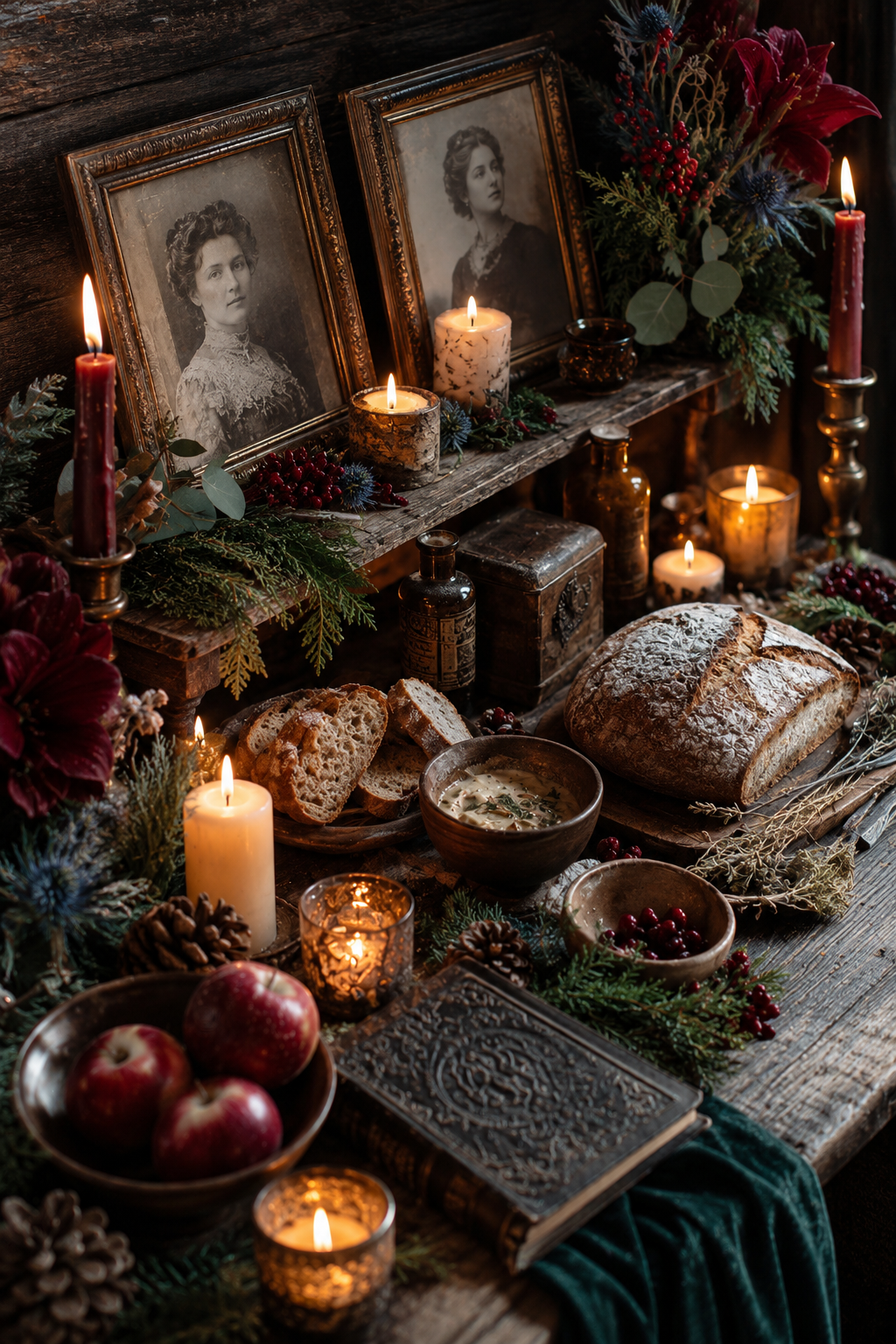
Create a small altar within your home using anything that evokes a sense of connection to the women you wish to honor.
You may wish to gather:
A candle
Photographs of loved ones
Jewelry, heirlooms or handwritten recipes
Flowers, evergreen or other seasonal elements
A cup of your favorite drink
Something that represents the woman you are today
The women you honor do not need to share your bloodline. Perhaps they were friends, neighbors, teachers or women who welcomed you into their lives. You may also honor the ancestors whose names and stories you do not know. If you have no photographs or belongings, a simple candle is enough.
Honoring the Woman Who Is Here Now
Consider what you wish these women had been given more freedom to experience and where you can give yourself that permission.
What am I feeling today?
What do I need?
How can I nourish myself today?
Choose one small act that honors your answer. Perhaps it is resting, doing something creative, asking for help or simply allowing yourself to enjoy the day.
Imagine how proud the women who loved you might be to witness you honoring yourself in a way they may not have been able to.
Allow yourself to be whoever you are today, and let the way you honor her become part of your ancestral remembrance.
Frau Holle — Keeper of the Sacred Ordinary
Within Germanic folklore, we meet Frau Holle, a mysterious feminine figure associated with winter, snowfall, spinning, domestic work and the otherworld. Her presence appears throughout regional folklore under different names and expressions, and although her origins remain a subject of discussion, many have come to regard her as a figure carrying remnants of older feminine spiritual traditions.
Perhaps her most familiar story is the tale of Mother Holle, collected by the Brothers Grimm. Within this story, a young woman enters another world through a well, where she encounters bread waiting to be removed from an oven, apples ready to be gathered and eventually Frau Holle herself.
While tending to Holle's home, the young woman shakes out her feather bedding, causing snow to fall upon the earth. Upon returning to her own world, she is showered in gold.
What fascinates me about this story is the relationship between the seemingly ordinary tasks of a woman and the greater rhythms of the natural world. The simple act of shaking out bedding becomes the very thing that brings snowfall to the earth. The mundane and the magical are intimately intertwined.
Although the traditional tale is often interpreted through the virtues of diligence and generosity, I want to explore another layer of Holle's wisdom. Rather than seeing her as a figure who rewards women for how much they accomplish, I wonder what we might discover through her relationship with the natural rhythms of life.
The bread is ready to be removed from the oven, the apples are ready to be gathered and the earth is ready to receive the snow. Each has its own timing, and each asks for something different.
Can we offer ourselves that same attentiveness?
Through Holle, we are invited to become more attuned to our own rhythms as women, recognizing when we need nourishment, movement, creativity, connection or rest. Rather than expecting ourselves to show up in the same way every day, we can begin to honor the changing nature of our own existence.
Perhaps the sacredness of tending to life also includes tending to the woman who is living it.
Bringing Remembrance to Life
Throughout the day, choose something enjoyable that reminds you of these women. Bake their favorite cookies, cook a familiar meal, listen to music you once enjoyed together, wear their jewelry or share a funny story about them.
Allow the familiar sounds, smells and tastes to awaken your memories. Give yourself permission to laugh, cry, sing and dance. Through these ordinary moments, we give the memories of those we love a place within the lives we are living today.
A Cup of Remembrance
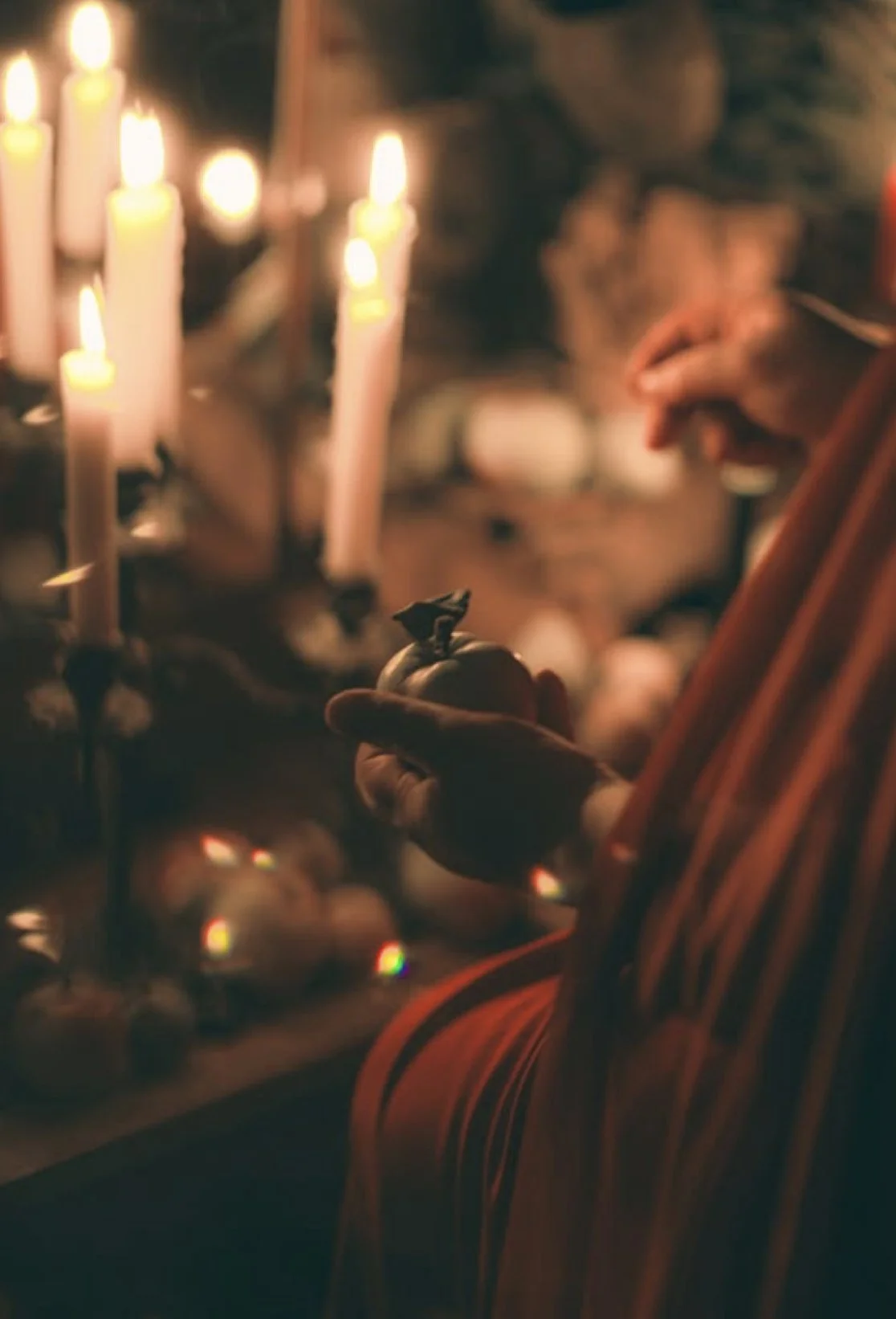
When you feel ready, return to your ancestral hearth, light your candle and pour yourself a cup of something you enjoy. Spend a few moments remembering the women you wish to celebrate.
Inspired by the Norse practice of Minni, raise your cup and offer these words or words of your own:
To the women who have woven their way into my life, I honor your stories, your laughter, your wisdom and the memories we have shared. I remember the dreams you lived and those you may never have had the opportunity to explore.
May I carry forward what nourishes life and find the courage to change what no longer does. May the freedom I give myself become a gift to the generations that follow.
In remembering you, I also remember myself.
Carry With You
As you remember the women who came before you, remember to honor the woman who is here now. You can carry their wisdom, celebrate their strength and cherish their memories without believing you must endure the same hardships or sacrifice yourself in the same ways.
Allow the sacred to find its way into the ordinary moments of your life, and give yourself permission to honor your own changing rhythms. Perhaps the freedom you give yourself today will become the very thing another woman within your lineage remembers you for.